



As a parent, you want the best for your child’s health and development. Regular pediatric checkups are one of the most important investments you can make in your child’s wellbeing. These routine visits to the doctor go far beyond checking for illness – they track growth, monitor development, prevent diseases, and catch potential problems early when they’re easiest to address.
Many parents only bring their children to the doctor when they’re sick. However, well-child visits when your child is healthy are just as important, if not more so. These checkups allow pediatricians to spot subtle concerns you might not notice at home, provide age-appropriate guidance, and ensure your child is meeting developmental milestones.
This guide explains why regular pediatric checkups matter, what happens during these visits, when to schedule them, and how to make the most of your appointments. Whether you’re a first-time parent or have several children, understanding the value of preventive pediatric care helps you give your child the healthiest possible start in life.
What Are Pediatric Checkups?
Pediatric checkups, also called well-child visits, are routine medical appointments for children who aren’t currently sick. These preventive care visits focus on monitoring overall health, growth, and development throughout childhood.
How Checkups Differ from Sick Visits
When your child has a fever, cough, or injury, you visit the doctor for diagnosis and treatment of that specific problem. Well-child checkups are different – they’re scheduled appointments that happen regularly whether or not your child has any symptoms or concerns. These visits focus on prevention, early detection, and ensuring healthy development.
The Goals of Regular Checkups
Pediatric checkups serve multiple important purposes:
- Track physical growth and development over time
- Monitor developmental milestones (motor skills, speech, social skills)
- Provide vaccinations on schedule to prevent serious diseases
- Screen for health problems before symptoms appear
- Offer age-appropriate health guidance to parents
- Build a trusting relationship between child, parent, and doctor
- Create a complete medical history for your child
- Address parental questions and concerns
Why Regular Checkups Matter
Preventive pediatric care provides benefits that extend far beyond the appointment itself.
Early Detection of Problems
Many childhood health conditions show no obvious symptoms in early stages. Regular checkups allow doctors to identify concerns before they become serious. For example, vision or hearing problems might go unnoticed at home but are detected during routine screenings. Early intervention for these issues prevents learning difficulties and developmental delays.
Similarly, growth problems, heart murmurs, or developmental delays are often first noticed during routine checkups when the doctor can compare your child’s progress against medical standards and previous visits.
Monitoring Growth and Development
Children grow and change rapidly. What’s normal at three months looks very different from normal at three years. Pediatricians track your child’s height, weight, and head circumference on growth charts that show how they compare to other children their age. Consistent tracking helps identify growth patterns that might indicate health concerns.
Beyond physical growth, doctors assess whether your child is meeting age-appropriate developmental milestones – rolling over, sitting up, walking, talking, and social interactions. Missing milestones doesn’t always mean something is wrong, but it alerts the doctor to watch certain areas more closely or recommend early intervention services if needed.
Disease Prevention Through Vaccinations
Vaccines are one of the most important reasons for regular checkups. Immunizations protect children from serious, sometimes deadly diseases including measles, polio, whooping cough, and many others. Vaccines work best when given on a specific schedule during early childhood.
Missing scheduled checkups means delayed vaccinations, leaving your child vulnerable to preventable diseases. Regular visits ensure your child receives all recommended vaccines at the right times for maximum protection.
Building Healthy Habits
Pediatricians provide age-appropriate guidance about nutrition, sleep, safety, dental care, and physical activity. This anticipatory guidance helps parents support healthy development. For example, discussing solid food introduction with parents of six-month-olds, or talking about internet safety with parents of teenagers.
These conversations establish healthy habits early and give parents confidence in their daily decisions about their child’s care.
Establishing a Medical Home
Regular visits with the same pediatrician create continuity of care. Your doctor learns your child’s health history, personality, and family circumstances. This relationship means better care when your child does get sick because the doctor knows what’s normal for your child and can quickly identify changes.
Children who see doctors regularly also become more comfortable with medical visits, reducing anxiety and making examinations easier as they grow.
Peace of Mind for Parents
Parenting brings constant questions and concerns. Is my baby eating enough? Should my toddler be talking more? Is this rash normal? Regular checkups provide opportunities to ask these questions and receive expert reassurance or guidance. Knowing your child is developing normally brings peace of mind.
What Happens During Checkups
Understanding what occurs during well-child visits helps you and your child prepare and make the most of appointments.
Physical Measurements
Every checkup includes basic measurements:
- Weight: Measured without clothes (babies) or in light clothing (older children)
- Length/height: Lying down for babies, standing for children who can stand
- Head circumference: For babies and toddlers to monitor brain growth
- Body Mass Index (BMI): Calculated for children over two years to track healthy weight
These measurements are plotted on growth charts to show patterns over time.
Physical Examination
The doctor performs a thorough head-to-toe examination checking:
- Head and neck: Shape, soft spots (in babies), lymph nodes
- Eyes: Vision, eye movement, pupil response
- Ears: Hearing, ear health
- Mouth and throat: Teeth, gums, throat
- Heart and lungs: Listening with stethoscope for normal sounds
- Abdomen: Checking organs, feeling for abnormalities
- Genitals: Checking normal development
- Skin: Looking for rashes, birthmarks, or concerning spots
- Muscles and bones: Checking strength, reflexes, joint movement
Developmental Screening
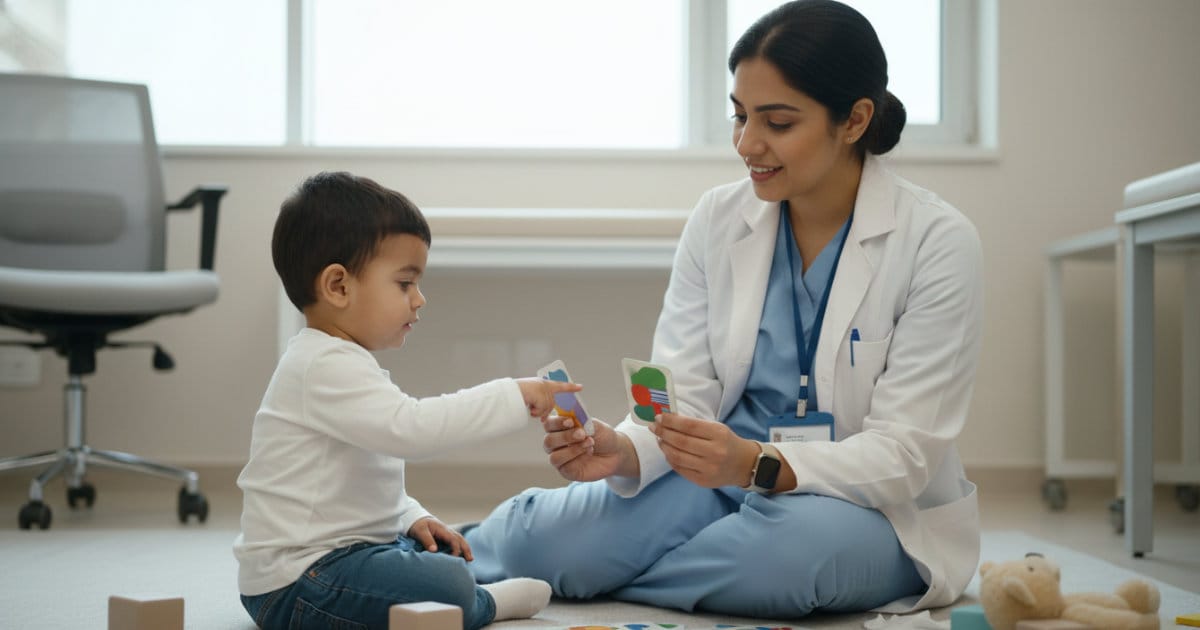
Doctors assess whether your child is meeting age-appropriate milestones:
- Motor skills: Rolling, sitting, crawling, walking, running, jumping
- Language: Babbling, first words, sentence formation, vocabulary
- Social and emotional: Smiling, responding to names, playing with others
- Cognitive: Problem-solving, following directions, learning
Formal developmental screening questionnaires may be used at certain ages to ensure thorough assessment.
Vaccinations
Immunizations are given according to the recommended schedule. Your doctor will explain which vaccines your child needs at each visit and discuss any concerns you have about vaccines.
Screenings and Tests
Depending on your child’s age and risk factors, checkups may include:
- Vision and hearing tests: Starting in early childhood
- Blood tests: Checking for anemia, lead exposure, or other concerns
- Tuberculosis (TB) screening: If at increased risk
- Cholesterol screening: For children with risk factors
- Mental health screening: For older children and teenagers
Anticipatory Guidance
The doctor discusses age-appropriate topics including:
- Nutrition: Feeding schedules, introducing foods, healthy eating habits
- Sleep: Expected sleep patterns, establishing routines
- Safety: Childproofing, car seats, injury prevention
- Behavior: Normal development, discipline strategies
- Dental care: Teeth brushing, first dental visits
- Physical activity: Appropriate exercise for age
Time for Questions
Every checkup includes time for you to ask questions about anything concerning your child’s health, development, or behavior. No question is too small – your pediatrician wants to address your concerns.
Recommended Checkup Schedule
Well-child visits follow a schedule that matches children’s rapid growth and development stages. More frequent visits occur during infancy when changes happen quickly, with visits spacing out as children get older.
First Year (Infancy)
Babies grow and change dramatically during their first year. Frequent checkups monitor this rapid development:
- First week: 3-5 days after birth
- 1 month
- 2 months
- 4 months
- 6 months
- 9 months
- 12 months (1 year)
These visits track feeding, growth, development milestones, and provide multiple vaccinations.
Toddler Years (Ages 1-3)
As growth slows slightly, visits become less frequent:
- 15 months
- 18 months
- 24 months (2 years)
- 30 months
- 3 years
These appointments focus on language development, behavior, toilet training readiness, and continued vaccinations.
Preschool and Early School Years (Ages 4-10)
Annual checkups become the standard:
- 4 years
- 5 years
- 6 years
- 7 years
- 8 years
- 9 years
- 10 years
Visits address school readiness, learning, social development, nutrition, and physical activity habits.
Adolescence (Ages 11-21)
Teenagers continue annual checkups:
- Yearly visits from ages 11-21
These appointments address puberty, mental health, risky behaviors, independence, and preparation for adult healthcare.
Additional Visits
Your child may need extra visits if they have chronic conditions, developmental concerns, or other health issues. Your pediatrician will recommend an appropriate schedule based on individual needs.
What to Bring to Checkups
Being prepared makes appointments more productive and less stressful.
Essential Items
- Insurance information: Cards and any required authorization forms
- Vaccination records: Especially if this is your first visit or you’ve seen other doctors
- Medical history: List of any health conditions, medications, allergies
- Previous medical records: If available and relevant
- Growth charts: If you’ve been tracking at home
- List of questions: Write them down so you don’t forget
- Comfort items: Favorite toy or blanket for younger children
- Snacks: For after the appointment, especially if vaccinations are given
- Extra clothes: For babies and toddlers in case of accidents
Questions to Consider
Think about these topics before your visit:
- Feeding or eating concerns
- Sleep patterns and problems
- Behavior or mood changes
- Developmental progress
- School performance (for older children)
- Social interactions with peers
- Any symptoms or health concerns
- Family health changes
Writing questions down ensures you remember to ask everything during the appointment.
Making Checkups Positive Experiences
Helping your child feel comfortable with doctor visits reduces anxiety and builds healthy attitudes toward healthcare.
Preparing Your Child
For young children (toddlers and preschoolers):
- Explain in simple terms where you’re going (“We’re visiting the doctor to make sure you’re growing strong”)
- Read books about doctor visits
- Play doctor at home with stuffed animals or dolls
- Be honest about vaccines if they’re due – don’t say it won’t hurt, but emphasize it will be quick
- Stay calm and positive – children sense your emotions
For school-age children:
- Provide more detailed explanations about what will happen
- Encourage them to ask the doctor questions
- Let them help track their own growth on charts
- Praise cooperation during examinations
For teenagers:
- Discuss the importance of health maintenance
- Let them know they can speak privately with the doctor
- Encourage them to take increasing responsibility for their health
- Respect their growing independence whilst remaining supportive
During the Visit
- Stay calm and reassuring
- Hold or comfort your child during examinations if needed
- Distract younger children with talking, singing, or toys
- Praise your child for brave behavior
- Be honest if something might be uncomfortable
- Model positive attitudes toward the doctor and healthcare
After the Visit
- Praise your child for their cooperation
- Offer a small reward (sticker, special activity, healthy treat)
- Talk positively about the visit
- Follow through on any care instructions from the doctor
- Schedule the next appointment before leaving if possible
Special Considerations for Different Ages
Each developmental stage brings unique health focuses during checkups.
Newborns and Infants (0-12 months)
Key focuses:
- Feeding success (breastfeeding or formula)
- Weight gain and growth
- Sleep patterns
- Developmental milestones (head control, rolling, sitting, crawling)
- Vaccination schedule
- Safe sleep practices
- Parent mental health and support
Toddlers (1-3 years)
Key focuses:
- Transition to table foods
- Language development
- Walking, running, climbing skills
- Toilet training readiness
- Behavior and discipline
- Safety (childproofing, supervision)
- Dental health
Preschool and Early School (3-10 years)
Key focuses:
- School readiness and performance
- Social skills and friendships
- Physical activity and screen time
- Nutrition and healthy eating habits
- Vision and hearing for learning
- Safety (stranger danger, internet safety basics)
Adolescents (11-21 years)
Key focuses:
- Puberty and physical changes
- Mental health (depression, anxiety)
- Academic performance and stress
- Peer relationships and social pressures
- Risk behaviors (substance use, sexual health)
- Body image and eating habits
- Independence and responsibility
- Planning for adult healthcare
Common Concerns Parents Have
Many parents share similar questions and worries about pediatric checkups.
“My Child Seems Healthy. Do We Really Need Checkups?”
Yes. Many health conditions have no obvious symptoms in early stages. Vision problems, hearing loss, developmental delays, and other issues are often first detected during routine screenings when children seem perfectly fine. Prevention and early detection are the main purposes of well-child visits.
“What If My Child Is Afraid of the Doctor?”
Fear of doctors is common and normal. Address it by preparing your child appropriately for their age, staying calm yourself, bringing comfort items, praising brave behavior, and not dismissing their fears. Regular visits help children become more comfortable over time. If fear is severe, discuss strategies with your pediatrician.
“Should I Mention Small Concerns?”
Yes, absolutely. No concern is too small. What seems minor to you might be significant, or the doctor can provide reassurance that it’s normal. Questions about sleep, feeding, behavior, development, or anything else are appropriate and expected during checkups.
“What About Vaccines? Are They Safe?”
Vaccines are thoroughly tested for safety and effectiveness before approval. The benefits of preventing serious diseases far outweigh the very small risks of side effects. If you have concerns about vaccines, discuss them openly with your pediatrician. They can provide evidence-based information to help you make informed decisions.
“Can Both Parents Attend?”
Yes, and having both parents present is encouraged when possible. This allows both parents to hear information directly, ask questions, and participate in healthcare decisions. It’s especially helpful during appointments where important topics are discussed.
“What If We Miss an Appointment?”
Life happens, and sometimes appointments are missed. Reschedule as soon as possible. While occasional missed appointments won’t cause major problems, consistently skipping checkups means missing vaccinations, screenings, and developmental monitoring. Try to prioritize regular visits for your child’s long-term health.
When to Schedule Extra Visits
Beyond routine checkups, contact your pediatrician between scheduled visits if your child experiences:
- Fever (especially high fever or fever in young infants)
- Persistent vomiting or diarrhea
- Difficulty breathing
- Unusual rashes
- Injuries requiring evaluation
- Behavioral changes or regression in development
- Concerns about eating or growth
- School problems or learning difficulties
- Mental health concerns (sadness, anxiety, behavior issues)
- Any symptom that worries you
Trust your instincts as a parent. If something feels wrong, it’s always appropriate to call your doctor.
Pediatric Care at Shifa Al Jazeera Hospital
Our experienced pediatricians provide comprehensive care for children from birth through adolescence. We understand the unique healthcare needs of families in Bahrain’s diverse community.
What We Offer
- Complete well-child examinations following recommended schedules
- All recommended childhood vaccinations
- Growth and development monitoring
- Developmental screening and early intervention referrals when needed
- Sick child care when problems arise
- Multilingual doctors and staff (English, Arabic, Hindi, Urdu, Malayalam, and more)
- Family-centered care that welcomes parental involvement
- Culturally sensitive approach respecting diverse backgrounds
- Transparent pricing and affordable pediatric health packages
We create a welcoming, comfortable environment where children feel safe and parents feel heard. Our goal is building long-term relationships with families, providing continuity of care as your children grow.
Investing in Your Child’s Future Health
Regular pediatric checkups are one of the most valuable investments you can make in your child’s wellbeing. These visits do more than check for illness – they monitor growth, track development, prevent diseases, catch problems early, and provide guidance as your child grows and changes. The time spent at routine appointments protects your child’s health for years to come.
Don’t wait for problems to arise. Schedule regular well-child visits according to the recommended timeline. Come prepared with questions, be honest about concerns, and follow through on your pediatrician’s recommendations. These small efforts during childhood establish foundations for lifelong health.
At Shifa Al Jazeera Hospital, our pediatricians are here to support your family through every stage of childhood. We provide expert medical care with clear communication in your language and genuine respect for your family’s needs and values. Your child’s health is our priority.