



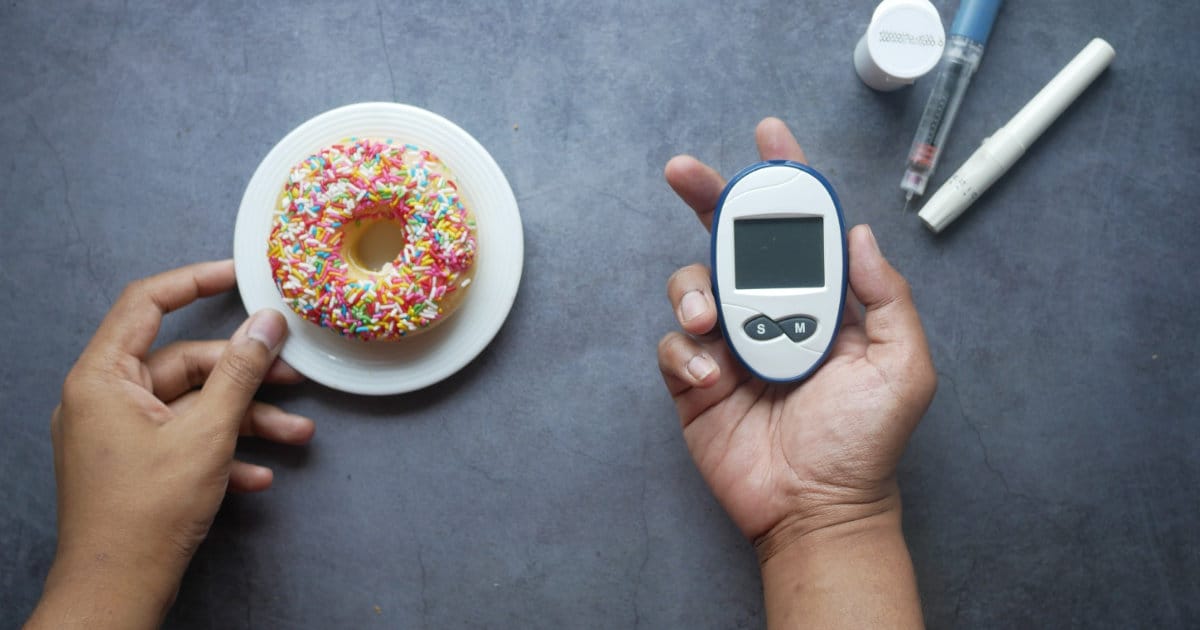
A diabetes diagnosis can feel overwhelming. You might wonder how this condition will change your daily life, what you can eat, or if you’ll be able to continue your normal activities. The good news is that whilst diabetes requires attention and care, most people living with diabetes lead full, active, healthy lives.
Diabetes is a chronic condition where your body doesn’t properly use or produce insulin, a hormone that helps glucose (sugar) enter your cells for energy. When glucose stays in your bloodstream instead of entering cells, it causes high blood sugar levels that can damage your body over time. However, with the right knowledge and consistent lifestyle habits, you can manage your blood sugar effectively and prevent complications.
This guide focuses on practical lifestyle changes that make the biggest difference in diabetes management. Whether you’ve just been diagnosed or you’ve been managing diabetes for years, these evidence-based strategies will help you take control of your health. Small, consistent changes add up to significant improvements in your blood sugar control and overall wellbeing.
Understanding Diabetes Management
Managing diabetes means keeping your blood sugar levels as close to normal as possible. This protects your body from both immediate problems and long-term complications.
Why Blood Sugar Control Matters
Consistently high blood sugar damages blood vessels and nerves throughout your body. Over time, this can lead to serious complications including heart disease, stroke, kidney disease, vision loss, nerve damage, and poor wound healing. However, good blood sugar control significantly reduces these risks and helps you feel better day-to-day.
The Three Pillars of Diabetes Management
Successful diabetes management rests on three equally important foundations:
- Healthy eating: Choosing foods that support stable blood sugar
- Regular physical activity: Helping your body use insulin more effectively
- Medication (if prescribed): Supporting your body’s blood sugar control
When you combine all three pillars with regular monitoring and medical care, you create a strong foundation for managing diabetes effectively.
Target Blood Sugar Levels
Your doctor will help you set personalized blood sugar targets. General guidelines include:
- Before meals: 80-130 mg/dL (4.4-7.2 mmol/L)
- Two hours after starting a meal: Less than 180 mg/dL (10.0 mmol/L)
- HbA1c test: Below 7% for most adults (measures average blood sugar over 2-3 months)
Your specific targets may differ based on your age, how long you’ve had diabetes, other health conditions, and risk of low blood sugar. Always follow your doctor’s recommendations for your situation.
Eating Well with Diabetes
Food directly affects your blood sugar levels, making dietary choices one of the most powerful tools for diabetes management. The good news is you don’t need special foods or complicated meal plans.
Basic Nutrition Principles
Focus on these foundational eating habits:
Choose whole, minimally processed foods. Vegetables, fruits, whole grains, lean proteins, and healthy fats form the basis of a diabetes-friendly diet. These foods provide nutrients whilst having less dramatic effects on blood sugar than highly processed options.
Control portion sizes. Even healthy foods raise blood sugar if you eat too much. Understanding appropriate portions helps manage blood sugar and weight.
Eat regular meals. Spacing meals evenly throughout the day helps prevent blood sugar spikes and drops. Don’t skip meals, especially if you take diabetes medications.
Limit added sugars and refined carbohydrates. Sugary drinks, sweets, white bread, and white rice cause rapid blood sugar increases. Choose alternatives that raise blood sugar more gradually.
Understanding Carbohydrates
Carbohydrates have the biggest impact on blood sugar. Your body breaks them down into glucose, which enters your bloodstream. However, not all carbohydrates affect blood sugar equally.
Better carbohydrate choices include:
- Whole grains (brown rice, oats, whole wheat, quinoa)
- Legumes (beans, lentils, chickpeas)
- Non-starchy vegetables (leafy greens, broccoli, peppers, tomatoes)
- Fruits in moderate portions
Limit these carbohydrates:
- White bread, white rice, regular pasta
- Sugary drinks (sodas, sweetened juices, energy drinks)
- Sweets and desserts
- Processed snack foods
You don’t need to eliminate carbohydrates completely. Instead, choose high-quality carbohydrates in appropriate portions and pair them with protein or healthy fats to slow blood sugar absorption.
Building Balanced Meals
A simple way to create diabetes-friendly meals is the plate method:
- Half your plate: Non-starchy vegetables (salad, broccoli, green beans, cauliflower)
- Quarter of your plate: Lean protein (chicken, fish, lean meat, eggs, tofu)
- Quarter of your plate: Whole grain or starchy vegetables (brown rice, sweet potato, whole wheat bread)
- Add: Small portion of fruit and/or dairy
This visual guide creates naturally balanced meals without complicated calculations.
Protein and Healthy Fats
Protein and fats don’t raise blood sugar directly and help you feel full longer.
Good protein sources:
- Fish (especially fatty fish like salmon)
- Skinless chicken and turkey
- Lean cuts of meat
- Eggs
- Beans and lentils
- Low-fat dairy products
- Nuts and seeds in moderate amounts
Healthy fats:
- Olive oil
- Avocados
- Nuts and seeds
- Fatty fish
Limit saturated fats from red meat and full-fat dairy, and avoid trans fats found in some processed foods.
Practical Eating Tips
- Read food labels to check carbohydrate content and serving sizes
- Plan meals ahead to avoid impulsive, less healthy choices
- Keep healthy snacks available (raw vegetables, nuts, boiled eggs)
- Cook at home more often to control ingredients and portions
- Eat slowly and stop when satisfied, not overly full
- Stay hydrated with water, not sugary drinks
- Enjoy occasional treats in small portions – diabetes management allows flexibility
Cultural Food Adaptations
You can enjoy traditional foods from your culture whilst managing diabetes. Simple modifications help:
- Choose brown rice instead of white rice, or mix both
- Use whole wheat roti or chapati instead of white flour versions
- Increase vegetable portions in traditional dishes
- Use less oil and healthier cooking methods (grilling, baking, steaming)
- Reduce added sugar in desserts or enjoy smaller portions
- Load your plate with salad and vegetables first
Physical Activity and Exercise
Exercise is powerful medicine for diabetes. Physical activity helps your body use insulin more effectively, lowers blood sugar, supports weight management, and reduces heart disease risk.
How Exercise Helps
When you move, your muscles use glucose for energy, naturally lowering blood sugar levels. Regular exercise also improves insulin sensitivity, meaning your body uses insulin more efficiently even when you’re not exercising. Additionally, physical activity helps control weight, reduces stress, improves heart health, and boosts mood and energy.
Types of Beneficial Exercise
Aerobic exercise (activities that increase your breathing and heart rate):
- Walking – the easiest and most accessible option
- Swimming or water aerobics
- Cycling
- Dancing
- Gardening
Aim for at least 150 minutes per week of moderate-intensity aerobic activity. This could be 30 minutes, five days per week.
Strength training (building muscle mass):
- Lifting weights or using resistance bands
- Body-weight exercises (push-ups, squats)
- Yoga or Pilates
Include strength training at least two days per week. Muscle tissue uses more glucose than fat tissue, even at rest.
Flexibility and balance exercises:
- Stretching routines
- Yoga
- Tai chi
These improve mobility, prevent falls, and reduce stress.
Getting Started Safely
Before beginning an exercise programme:
- Talk to your doctor, especially if you’ve been inactive
- Start slowly and gradually increase duration and intensity
- Choose activities you enjoy – you’re more likely to continue
- Find an exercise partner for motivation and safety
Exercise Safety Tips for Diabetes
- Check blood sugar before and after exercise – Know how physical activity affects your levels
- Carry fast-acting carbohydrates – Keep glucose tablets, juice, or candy in case of low blood sugar
- Stay hydrated – Drink water before, during, and after activity
- Wear proper footwear – Protect your feet with well-fitting, supportive shoes and check for blisters or sores after
- Wear medical identification – Alert others that you have diabetes in case of emergency
- Exercise with others when possible – Have someone who can help if problems occur
- Stop and rest if you feel dizzy, short of breath, or unwell
Managing Blood Sugar During Exercise
Exercise usually lowers blood sugar, but sometimes it can raise it temporarily, especially with intense activity. Monitor your response and adjust as needed:
If blood sugar is below 100 mg/dL before exercise: Eat a small carbohydrate snack first to prevent low blood sugar during activity.
If blood sugar is above 250 mg/dL: Test for ketones (if you have type 1 diabetes) and avoid intense exercise until blood sugar improves.
Building Activity Into Daily Life
Structured exercise is beneficial, but daily movement matters too:
- Take stairs instead of elevators
- Park farther away and walk
- Do active household chores
- Stand and move during phone calls
- Take short walking breaks every hour if you sit for work
- Play actively with children or grandchildren
Every bit of movement helps manage blood sugar.
Monitoring Your Blood Sugar
Regular blood sugar monitoring provides essential information about how food, activity, stress, and medications affect your levels. This feedback helps you make informed decisions daily.
Why Monitoring Matters
Checking your blood sugar helps you:
- See how meals and snacks affect your blood sugar
- Understand how physical activity changes your levels
- Know if you’re meeting your target ranges
- Detect high or low blood sugar before serious problems develop
- Understand if medications are working effectively
- Make necessary adjustments with your doctor’s guidance
How to Check Blood Sugar
Most people use a blood glucose meter:
- Wash hands with soap and warm water
- Insert test strip into meter
- Prick the side of your fingertip with a lancet
- Touch the test strip to the drop of blood
- Read the result on the meter
- Record the number with the date and time
When to Check
Your doctor will recommend a testing schedule based on your treatment plan. Common times include:
- Before meals
- Two hours after starting a meal
- Before and after exercise
- Before bed
- When you feel symptoms of high or low blood sugar
- Before driving (if you take insulin or medications that can cause low blood sugar)
Recording and Using Results
Keep a log of your blood sugar readings along with notes about meals, exercise, medications, and how you felt. This information helps you and your doctor identify patterns and make adjustments. Many glucose meters connect to apps that track this information automatically.
Understanding Your Numbers
High blood sugar (hyperglycemia) – above target range:
- May cause increased thirst, frequent urination, blurred vision, fatigue
- Adjust food choices, increase activity, or discuss medication changes with your doctor
Low blood sugar (hypoglycemia) – usually below 70 mg/dL:
- Causes shakiness, sweating, confusion, dizziness, hunger
- Treat immediately with fast-acting carbohydrates (glucose tablets, juice, regular soda)
- Check again in 15 minutes and repeat treatment if still low
Learn to recognize your individual symptoms of high and low blood sugar.
Weight Management
Maintaining a healthy weight significantly improves blood sugar control. Even modest weight loss (5-10% of body weight) can make a meaningful difference in diabetes management.
Why Weight Matters
Excess body weight, especially around the abdomen, increases insulin resistance. This means your body needs more insulin to move glucose into cells. Losing weight improves insulin sensitivity, making blood sugar easier to control.
Healthy Weight Loss Strategies
- Set realistic goals: Aim for 0.5-1 kg per week, not rapid weight loss
- Focus on sustainable changes: Make lifestyle adjustments you can maintain long-term
- Control portions: Use smaller plates, measure servings, eat slowly
- Increase activity gradually: Add more movement to your routine
- Track food intake: Writing down what you eat increases awareness
- Get adequate sleep: Poor sleep affects hormones that control hunger and blood sugar
- Manage stress: Stress eating can sabotage weight loss efforts
- Stay consistent: Small, consistent efforts outperform sporadic extreme measures
Discuss weight loss plans with your doctor or a dietitian. They can provide personalized guidance and adjust medications if needed as you lose weight.
Medication Management
Many people with diabetes need medications in addition to lifestyle changes. Taking medications correctly is essential for effective blood sugar control.
Types of Diabetes Medications
Diabetes medications work in different ways:
- Insulin: Replaces or supplements the insulin your body doesn’t produce
- Metformin: Reduces glucose production in the liver and improves insulin sensitivity
- Sulfonylureas: Help your pancreas produce more insulin
- Other oral medications: Work through various mechanisms to lower blood sugar
Your doctor will prescribe medications based on your specific needs, type of diabetes, and other health factors.
Taking Medications Properly
- Take medications exactly as prescribed – same time, same dose, with or without food as directed
- Never skip doses, even if you feel fine
- Don’t stop taking medications without consulting your doctor
- Know the names and doses of all your medications
- Understand what each medication does and potential side effects
- Refill prescriptions before running out
- Tell all your doctors about every medication you take
- Ask questions if anything is unclear
When to Contact Your Doctor
Reach out to your healthcare team if you experience:
- Frequent blood sugar readings outside your target range
- Repeated episodes of low blood sugar
- Side effects from medications
- Illness or infection (blood sugar often rises when sick)
- Changes in your daily routine, diet, or activity level
- New symptoms or health concerns
- Questions about your diabetes care
Stress Management and Mental Health
Stress affects blood sugar both directly (through stress hormones) and indirectly (through changes in eating, activity, and self-care habits). Managing stress is an important part of diabetes care.
How Stress Affects Diabetes
When stressed, your body releases hormones that can raise blood sugar. Additionally, stress often leads to behaviors that worsen diabetes control – eating comfort foods, skipping exercise, forgetting medications, or neglecting blood sugar monitoring.
Stress Reduction Strategies
- Practice relaxation techniques: Deep breathing, meditation, progressive muscle relaxation
- Stay physically active: Exercise reduces stress and improves mood
- Maintain social connections: Spend time with supportive family and friends
- Get adequate sleep: Aim for 7-9 hours nightly
- Set realistic expectations: Perfect diabetes management isn’t possible – aim for consistent good enough
- Make time for enjoyable activities: Hobbies and leisure reduce stress
- Talk about your feelings: Share concerns with loved ones or a counselor
Addressing Diabetes Burnout
Managing diabetes every single day is exhausting. Diabetes burnout – feeling overwhelmed, frustrated, or exhausted by constant self-care – is common. If you’re experiencing burnout:
- Acknowledge your feelings – they’re normal and valid
- Talk to your healthcare team – they can help adjust your management plan
- Focus on small, manageable changes rather than perfection
- Connect with others who have diabetes for support and understanding
- Consider speaking with a mental health professional
Your mental health matters as much as your physical health. Don’t hesitate to seek support when struggling.
Preventing Complications
Good diabetes management prevents or delays complications. In addition to blood sugar control, these habits protect your health.
Foot Care
Diabetes can damage nerves and reduce blood flow to feet, making infections and injuries more dangerous:
- Check feet daily for cuts, blisters, redness, or swelling
- Wash feet daily with lukewarm water and dry thoroughly, especially between toes
- Moisturize dry skin but not between toes
- Trim toenails straight across and file sharp edges
- Always wear shoes and socks to protect feet
- Choose well-fitting, comfortable shoes without pressure points
- See your doctor promptly for any foot problems
Eye Care
Diabetes can damage blood vessels in the eyes:
- Get comprehensive eye exams annually
- Control blood sugar, blood pressure, and cholesterol
- Report vision changes immediately
Dental Care
People with diabetes have increased risk of gum disease:
- Brush teeth twice daily and floss daily
- Visit your dentist every six months
- Tell your dentist you have diabetes
- Report bleeding, swollen, or painful gums
Heart Health
Diabetes increases heart disease risk. Protect your heart by:
- Controlling blood sugar, blood pressure, and cholesterol
- Maintaining a healthy weight
- Staying physically active
- Not smoking
- Taking prescribed medications
Regular Medical Check-Ups
Schedule these important appointments:
- Diabetes check-up: Every 3-6 months
- HbA1c test: At least twice yearly
- Comprehensive eye exam: Annually
- Foot exam: At each diabetes visit
- Kidney function tests: Annually
- Cholesterol and blood pressure: At least annually
- Dental exam: Every six months
Living Your Best Life with Diabetes
Diabetes is a serious condition that requires daily attention, but it doesn’t have to limit your life. Millions of people with diabetes lead active, fulfilling lives while successfully managing their condition. The key is developing sustainable habits that become part of your routine rather than burdens you resent.
Start with small changes. You don’t need to transform your entire life overnight. Pick one or two modifications – maybe checking blood sugar more regularly or adding a 15-minute walk after dinner – and build from there. As these changes become habits, add others gradually. Consistency matters more than perfection.
Remember that diabetes management is a journey, not a destination. You’ll have good days and challenging days. Don’t let setbacks discourage you. Learn from them, adjust your approach, and keep moving forward. Your healthcare team at Shifa Al Jazeera Hospital is here to support you every step of the way with expert guidance, clear communication in your language, and compassionate care that respects your individual circumstances.
Take control of your diabetes management today. The lifestyle changes you make now will protect your health for years to come. You have the power to manage diabetes effectively – start today, stay consistent, and watch your health improve.