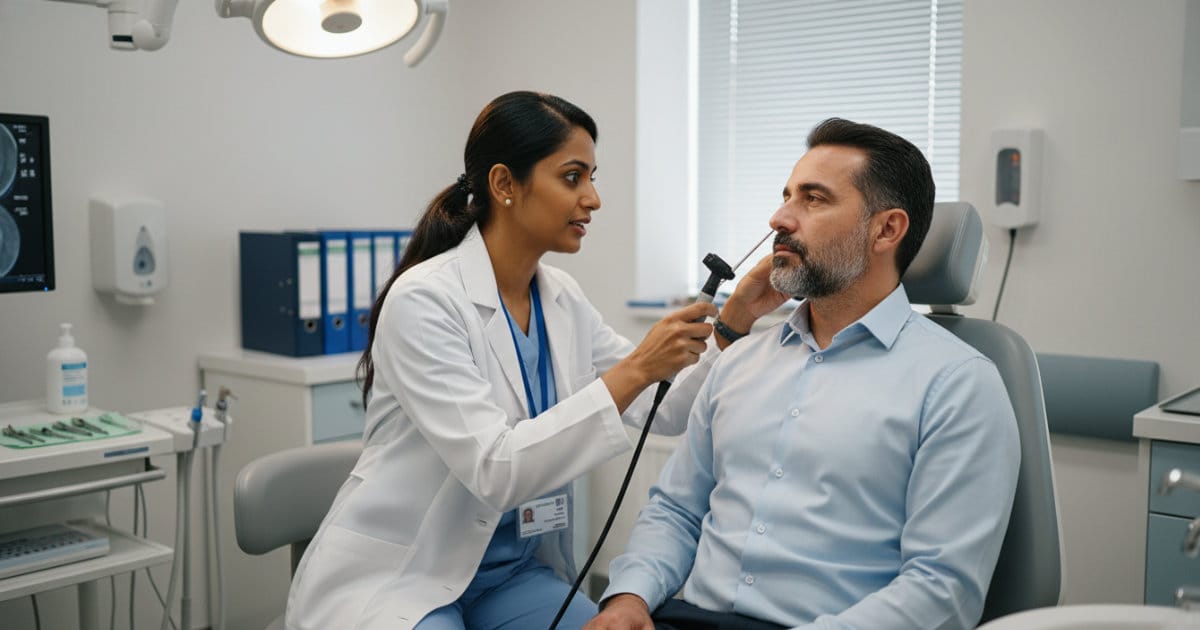




When was your last complete health check-up? If you can’t remember or if it’s been more than a year, you’re not alone. Many people only visit the doctor when they feel sick or experience symptoms. However, waiting until problems appear means missing valuable opportunities for early detection and prevention.
Regular health screenings are medical tests that check for diseases and health conditions before symptoms develop. Think of them as routine maintenance for your body, similar to servicing your car. These screenings can detect problems early when they’re often easier to treat and sometimes even prevent diseases from developing at all.
At Shifa Al Jazeera Hospital, we believe prevention is better than cure. This guide explains why regular health screenings matter, what conditions they detect, and which tests you should consider based on your age, gender, and risk factors. Understanding the value of preventive care empowers you to take control of your health and protect your future.
What Are Health Screenings?
Health screenings are tests or examinations performed on people who have no symptoms of disease. The goal is to find health problems early when treatment may be more effective and outcomes better.
How Screenings Differ from Diagnostic Tests
Understanding this difference is important. Screening tests check healthy people to find diseases early. Diagnostic tests are performed when you already have symptoms to determine what’s causing them. For example, checking your blood pressure during a routine visit is screening. Checking it because you have headaches and dizziness is diagnostic testing.
Types of Health Screenings
Common screening categories include:
- Physical examinations: Overall health assessment, vital signs, body measurements
- Blood tests: Check blood sugar, cholesterol, organ function, vitamin levels
- Imaging tests: X-rays, ultrasounds, or scans to view internal organs
- Cancer screenings: Tests designed to detect specific cancers early
- Heart health tests: ECG, stress tests, cardiovascular assessments
- Specialized screenings: Tests for specific conditions based on risk factors
Why Regular Health Screenings Matter
Investing time in preventive health screenings offers numerous benefits that extend far beyond the appointment itself.
Early Detection Saves Lives
Many serious diseases develop silently without obvious symptoms in their early stages. By the time you notice something wrong, the condition may have progressed significantly. Regular screenings catch problems when they’re small and more manageable.
For example, high blood pressure rarely causes symptoms but silently damages your heart, blood vessels, kidneys, and brain. Regular blood pressure checks detect hypertension early, allowing treatment before serious complications develop. Similarly, diabetes can exist for years without noticeable symptoms whilst damaging your body. A simple blood test identifies diabetes early when lifestyle changes and medications can prevent complications.
Better Treatment Outcomes
When diseases are found early, treatment is often simpler, less invasive, and more effective. Early-stage cancers typically require less aggressive treatment and have higher success rates than advanced cancers. Heart disease detected early can often be managed with lifestyle changes and medication rather than surgery.
Lower Healthcare Costs
Prevention and early detection are significantly less expensive than treating advanced diseases. A routine health screening costs far less than hospitalization for a heart attack, stroke, or advanced cancer treatment. Regular check-ups may seem like an expense, but they’re actually an investment that can save you substantial money and suffering in the long run.
Peace of Mind
Knowing your health status reduces anxiety and uncertainty. Even if screenings reveal a problem, having clear information allows you to take action rather than worry about unknown issues. Normal results provide reassurance and motivation to maintain healthy habits.
Baseline Health Information
Regular screenings create a personal health history that tracks changes over time. Your doctor can spot concerning trends before they become serious problems. For instance, gradually rising blood sugar levels over several years signal prediabetes, allowing intervention before diabetes develops.
Motivation for Healthy Living
Seeing your health numbers often motivates positive changes. High cholesterol results might inspire dietary improvements. Learning you’re at risk for diabetes could motivate weight loss and exercise. Regular feedback about your health status reinforces the connection between your daily choices and long-term wellbeing.
Family Health Protection
Some conditions have genetic components. When screenings detect diseases like diabetes, heart disease, or certain cancers in you, your family members know to be vigilant. Early awareness helps your children or siblings take preventive action or screen earlier themselves.
Common Health Conditions Detected Through Screening
Regular health screenings can identify many serious conditions before they cause noticeable symptoms.
Cardiovascular Disease
Heart disease and stroke are leading causes of death worldwide, yet many risk factors are detectable and manageable through screening.
Screenings detect:
- High blood pressure (hypertension)
- High cholesterol
- Irregular heart rhythms
- Blocked or narrowed arteries
- Heart function problems
Simple tests like blood pressure checks, cholesterol panels, and ECGs identify cardiovascular risks years before heart attacks or strokes occur.
Diabetes and Prediabetes
Diabetes affects millions globally and can lead to serious complications including kidney failure, blindness, nerve damage, and heart disease. However, it often develops gradually without symptoms.
Blood sugar screening identifies:
- Type 2 diabetes (often years before symptoms appear)
- Prediabetes (elevated blood sugar not yet at diabetic levels)
- Gestational diabetes (diabetes during pregnancy)
Early detection allows lifestyle modifications and medications to prevent or delay diabetes and its complications.
Cancer
Many cancers grow silently for months or years before causing symptoms. When caught early through screening, treatment success rates improve dramatically.
Common cancer screenings include:
- Breast cancer (mammography, clinical breast exam)
- Cervical cancer (Pap smear, HPV testing)
- Colorectal cancer (stool tests, colonoscopy)
- Prostate cancer (PSA blood test)
Each screening targets specific cancers most effectively detected through these tests.
Kidney Disease
Chronic kidney disease often has no symptoms until it’s advanced. Simple blood and urine tests detect kidney problems early when treatment can slow or stop progression.
Liver Disease
Liver problems can develop silently, especially from conditions like fatty liver disease, hepatitis, or cirrhosis. Blood tests checking liver enzymes and function identify issues before serious damage occurs.
Thyroid Disorders
Thyroid problems affect metabolism, energy, weight, mood, and many body functions. Blood tests measuring thyroid hormone levels detect both overactive and underactive thyroid conditions.
Osteoporosis
This bone-weakening disease often has no symptoms until a fracture occurs. Bone density scans identify osteoporosis or low bone mass, allowing treatment to strengthen bones and prevent fractures.
Anaemia and Nutritional Deficiencies
Complete blood counts reveal anaemia (low red blood cells) and blood tests identify vitamin deficiencies like low B12, iron, or vitamin D that cause fatigue, weakness, and other problems.
Infectious Diseases
Screenings can detect infections that may not cause obvious symptoms, including hepatitis B and C, HIV, and other conditions. Early detection allows prompt treatment and prevents transmission to others.
Which Screenings Do You Need?
Screening recommendations vary based on age, gender, family history, and personal risk factors. Here are general guidelines, but always consult your doctor for personalized recommendations.
Screenings for Adults of All Ages
Everyone should have regular:
- Blood pressure: At least every 2 years if normal, more often if elevated
- Cholesterol: Every 4-6 years starting at age 20, more often if abnormal or at risk
- Diabetes: Every 3 years starting at age 45, earlier if overweight or at risk
- Body Mass Index (BMI): At each health visit to monitor weight status
- Dental check-ups: Every 6-12 months
- Eye exams: Every 1-2 years, more often if vision problems
Additional Screenings for Women
Women should also have:
- Pap smear: Every 3 years starting at age 21 to screen for cervical cancer
- Mammogram: Annually or every 2 years starting at age 40-50 (timing varies by guidelines and risk)
- Bone density scan: Starting at age 65, earlier if at risk for osteoporosis
- Pregnancy-related screenings: Various tests throughout pregnancy if expecting
Additional Screenings for Men
Men should discuss with their doctor:
- Prostate screening: Starting at age 50, earlier if family history or other risk factors
- Testicular exam: Self-exams monthly, clinical exam during physical
Screenings for Older Adults
After age 50, additional screenings include:
- Colorectal cancer screening: Starting at age 45-50, various test options available
- Lung cancer screening: For current or former heavy smokers aged 50-80
- Abdominal aortic aneurysm screening: One-time ultrasound for men 65-75 who have smoked
- Bone density scan: For women 65+ and men 70+, earlier if risk factors
Risk-Based Screenings
You may need earlier or more frequent screenings if you have:
- Family history of heart disease, cancer, diabetes, or other conditions
- Personal history of chronic diseases
- Obesity or being significantly overweight
- Smoking or tobacco use
- High-risk occupation or environmental exposures
- Symptoms that concern you
Your doctor will recommend a screening schedule based on your individual situation.
What to Expect During Health Screenings
Understanding what happens during screenings reduces anxiety and helps you prepare properly.
Before Your Screening
Preparation may include:
- Fasting before certain blood tests (usually 8-12 hours)
- Avoiding specific foods or medications temporarily
- Bringing previous medical records or test results
- Listing current medications and supplements
- Writing down questions for your doctor
- Wearing comfortable, loose clothing
Your healthcare provider will give specific instructions when scheduling your appointment.
During Your Screening
A typical comprehensive screening includes:
- Health history review: Discussion of symptoms, lifestyle, family history
- Physical examination: Height, weight, blood pressure, heart and lung check
- Blood tests: Usually drawn from your arm, takes just a few minutes
- Additional tests: ECG, urine tests, or specific screenings as needed
Most screenings are quick, simple, and painless. Blood draws may cause brief discomfort. Ask questions if anything is unclear or makes you uncomfortable.
After Your Screening
Results typically arrive within a few days to a week. Your doctor will:
- Explain what your results mean in clear language
- Identify any areas of concern requiring follow-up
- Recommend lifestyle changes or treatments if needed
- Schedule additional tests if results are abnormal
- Provide a plan for ongoing monitoring
Don’t hesitate to ask questions about your results. Understanding your health status empowers you to make informed decisions.
Overcoming Barriers to Regular Screenings
Many people avoid health screenings despite knowing they’re important. Recognizing and addressing these barriers helps prioritize your health.
Fear of Finding Something Wrong
Many people avoid screenings because they’re afraid tests will reveal serious problems. However, not knowing doesn’t protect you. Early detection almost always leads to better outcomes. Finding a problem early gives you more treatment options and better chances for successful management.
Feeling Fine
When you feel healthy, screenings seem unnecessary. But many serious conditions develop silently. Feeling fine doesn’t mean everything is fine internally. Regular screenings provide the complete picture.
Cost Concerns
Health screenings may seem expensive, but they’re significantly cheaper than treating advanced diseases. Many insurance plans cover preventive screenings. At Shifa Al Jazeera Hospital, we offer transparent pricing and affordable health packages that bundle essential screenings at reduced costs.
Time Constraints
Busy schedules make finding time difficult. However, a few hours for a comprehensive screening could add years to your life. Consider it an essential appointment you wouldn’t cancel, like an important work meeting.
Not Knowing What to Do
Confusion about which screenings you need or when to get them can be overwhelming. Your doctor can create a personalized screening schedule based on your age, gender, and risk factors. Simply scheduling one comprehensive check-up starts the process.
Language or Cultural Barriers
Communication difficulties make healthcare intimidating for some. At Shifa Al Jazeera Hospital, our multilingual staff speaks English, Arabic, Hindi, Urdu, Malayalam, Tamil, and more. We understand diverse cultural perspectives on healthcare and provide respectful, sensitive care.
Making the Most of Your Health Screenings
Maximize the value of your screening appointments with these practical tips.
Prepare in Advance
- Write down all current medications, including doses
- List supplements and vitamins you take
- Note any symptoms or concerns, even minor ones
- Bring previous test results if available
- Prepare questions for your doctor
- Know your family health history
Be Honest and Complete
Your doctor needs accurate information to help you. Be truthful about:
- Lifestyle habits (diet, exercise, alcohol, smoking)
- Symptoms you’ve experienced
- Medications you’re taking (or not taking as prescribed)
- Alternative treatments or supplements you use
- Mental health concerns
Everything you share remains confidential and helps your doctor provide better care.
Ask Questions
No question is too simple or unimportant. If you don’t understand something, ask your doctor to explain differently. Important questions include:
- What do my test results mean?
- Are my results normal for my age and health status?
- What happens if results are abnormal?
- What lifestyle changes would help my health?
- When should I schedule my next screening?
- Which symptoms should prompt me to call you?
Follow Up on Results
Don’t assume everything is fine if you don’t hear back. Proactively contact your doctor’s office to:
- Confirm results have arrived
- Schedule a follow-up appointment if recommended
- Clarify any unclear instructions
- Get copies of your results for your records
Act on Recommendations
Health screenings only help if you act on the information. If your doctor recommends:
- Lifestyle changes – start implementing them gradually
- Medications – take them as prescribed
- Follow-up tests – schedule them promptly
- Specialist referrals – make those appointments
- Additional screenings – add them to your calendar
Health Screening Packages at Shifa Al Jazeera Hospital
We offer comprehensive health screening packages designed for different needs, ages, and health concerns. Our packages bundle essential tests at transparent, affordable prices.
Our Screening Packages Include
- Basic packages: Essential screenings for general health monitoring
- Comprehensive packages: Extensive testing across all major body systems
- Gender-specific packages: Tailored screenings for men’s or women’s health
- Age-specific packages: Tests appropriate for different life stages
- Condition-specific packages: Focused screenings for diabetes, heart health, or other concerns
- Executive packages: Complete assessments for busy professionals
Each package includes doctor consultations, necessary tests, and clear explanations of your results in your preferred language. We welcome your family to accompany you and involve them in understanding your health status.
When to Schedule Your Next Screening
Don’t wait until problems arise. Schedule regular screenings based on these guidelines.
Book a comprehensive screening if:
- It’s been more than a year since your last check-up
- You’ve never had a complete health screening
- Your family history includes heart disease, diabetes, cancer, or other conditions
- You’re approaching a milestone age (40, 50, 65) when new screenings are recommended
- You’ve experienced unexplained symptoms
- Your lifestyle or health status has changed significantly
- You’re planning a pregnancy
- You want to establish a health baseline
Schedule follow-up screenings:
- As recommended by your doctor based on previous results
- More frequently if you have chronic conditions
- According to standard screening schedules for your age and gender
Taking Control of Your Health
Regular health screenings are one of the most important investments you can make in your long-term wellbeing. They provide valuable insights into your health, catch problems early when they’re most treatable, and give you the information needed to make positive changes. The time and resources spent on prevention and early detection save you far more in the long run – in terms of money, suffering, and quality of life.
Don’t wait for symptoms to appear. Be proactive about your health. Schedule your comprehensive screening today and take the first step toward a healthier future. Your body works hard for you every day. Give it the preventive care and attention it deserves.
At Shifa Al Jazeera Hospital, we make health screenings accessible, affordable, and comfortable. Our experienced team provides thorough assessments with clear communication in your language and genuine care for your wellbeing. We’re here to support your health journey, not just when you’re sick, but in staying well.